

Rupture Disks
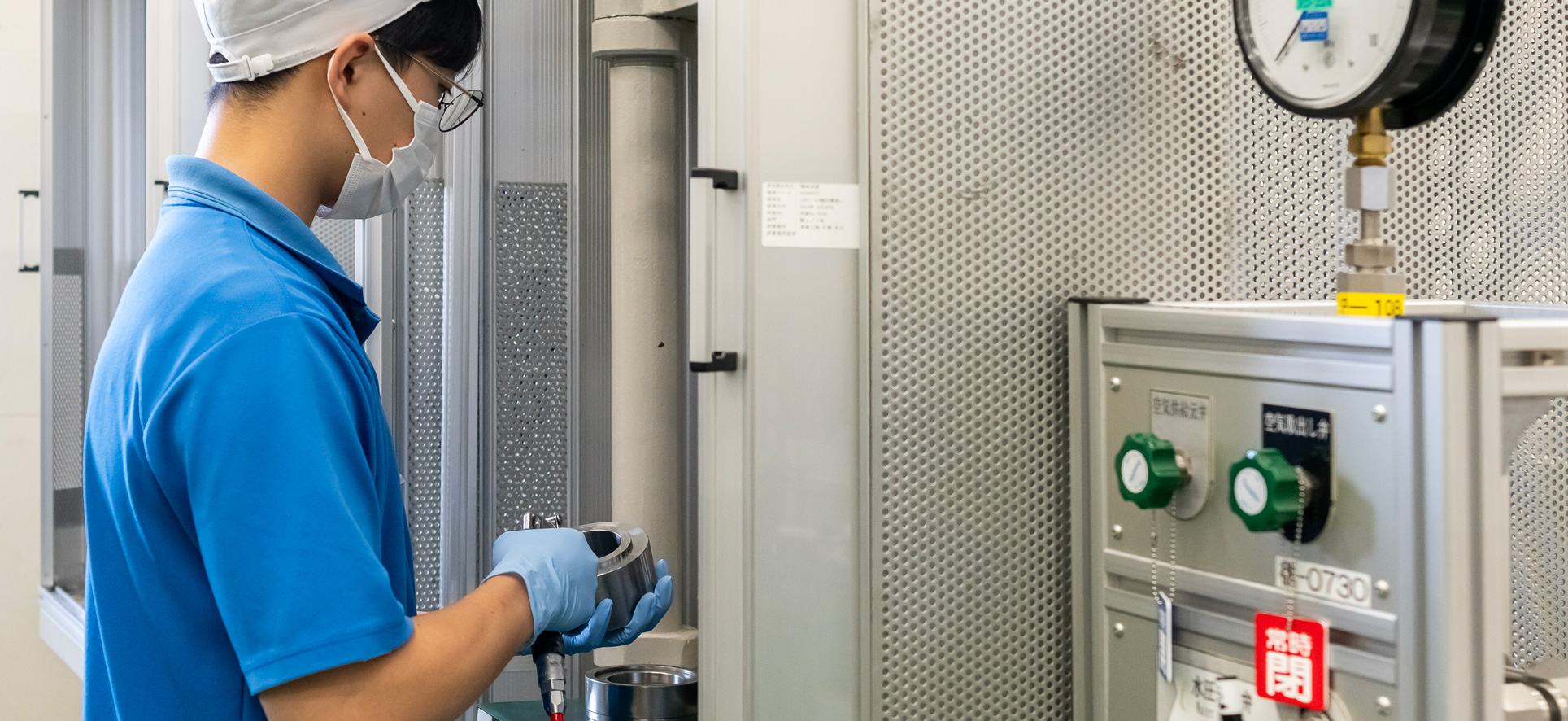
Japan’s Only Rupture Disk Manufacturer
With a strong commitment to domestic design and production, our rupture disks deliver short lead times, competitive pricing, and high quality. Our products are certified to international standards to support global plant applications. We also offer factory tours and witnessed burst testing to ensure customer confidence in our quality and performance.
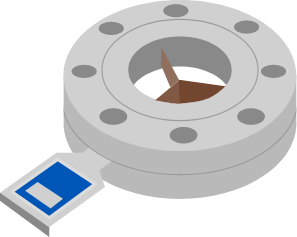
What Is a Rupture Disk?
A rupture disk is a safety device installed in pressure vessels or piping systems and designed to burst at a predetermined differential pressure. When internal pressure exceeds a specified limit, the disk ruptures to safely release pressure while protecting the remaining parts from potential damage. The rupture disk is designed by precisely defining parameters such as shape, dimensions, pressure, and temperature.
V TEX Rupture Disks
For many years, we have dedicated our efforts towards the development, manufacturing, and supply of high-quality, high-performance speciality valves and safety components.
Products developed and manufactured at our Tokai Plant have earned strong customer trust and are widely adopted in plants and facilities across Japan and key international markets.
As the only rupture disk manufacturer in Japan, we maintain product design and production at our domestic production bases to ensure safety in petrochemical plants, nuclear facilities, pressure vessels, pipes, and duct systems.
Our products are supported by an integrated process covering design, manufacturing, and inspection, built on years of R&D, prototyping, and continuous improvement—earning a strong reputation for their high reliability.
Equipped with state-of-the-art facilities, we are certified to ISO 9001 and ISO 14001. In April 2016, we were approved as a vendor by Saudi Aramco (Saudi Arabian Oil Company).
We take pride in the direct collaboration between our engineers and manufacturing specialists — a culture of open communication that drives innovation. This, combined with our advanced production capabilities, allows us to take on the challenge of developing even non-standard, custom-designed products.
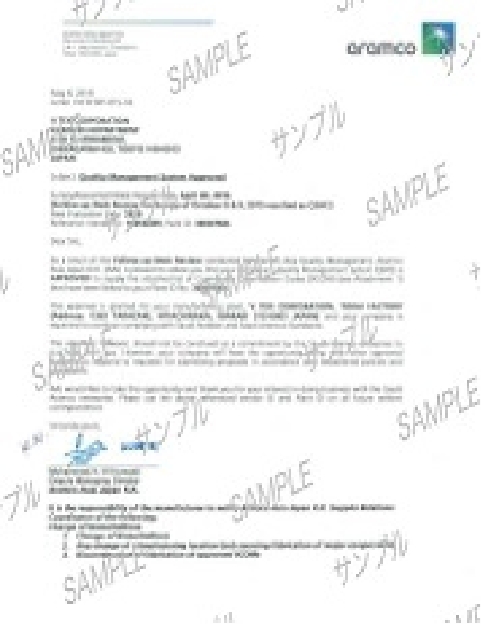
Saudi Aramco Vendor Certification
Rupture Disk Product Lineup
All rupture disks are manufactured to customer specifications on a made-to-order basis.
Upon receiving your specifications, we will propose the optimal rupture disk type for your application.
-
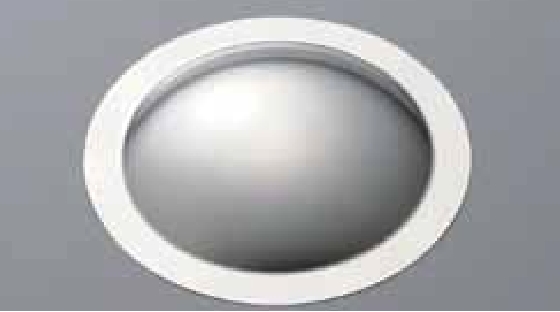
Type F
-
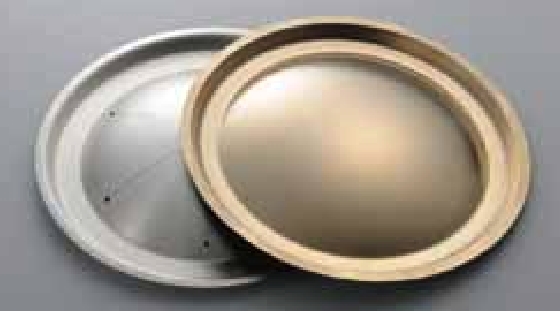
Type CV
-
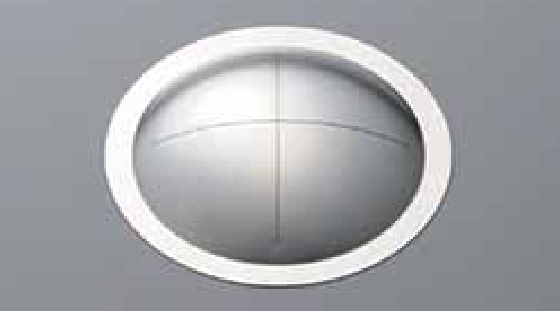
Cross Scored disk
(Common to FMBS / FMBF Types) -
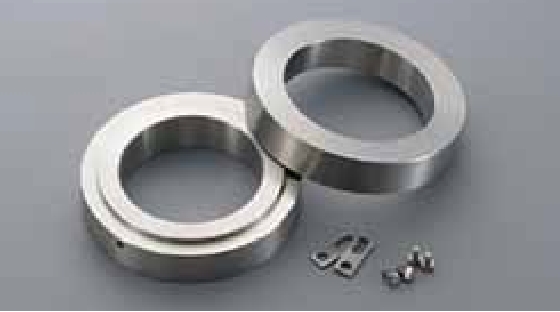
FMBS Holder
-
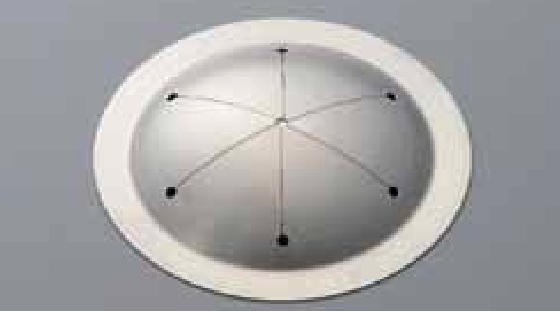
Open-Type Vacuum Support
-
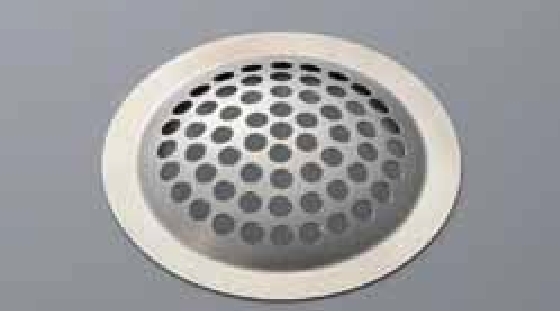
Non Open-Type Vacuum Support
-
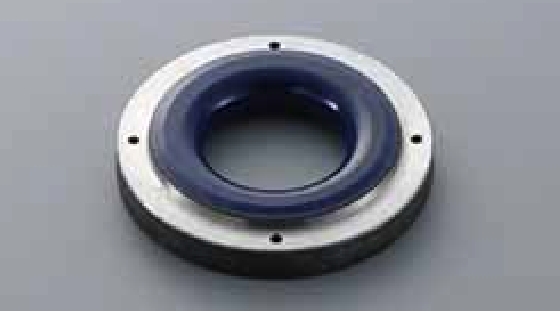
Glass Linings
-
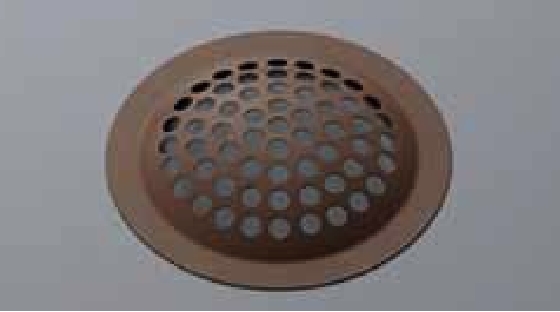
Non Open-Type Vacuum Support
(Coating)
| Operating Principle | Type | VTEX Design | Fluid | Pressure | Maximum Operating Pressure Ratio | Disk Fragmentation | Vacuum Pulsation | Special Notes | |
|---|---|---|---|---|---|---|---|---|---|
| Gas | Liquid | ||||||||
| Reverse-Acting Type | Knife-Blade Type | FBS / FBF | ○ | × | Low / Medium | 90% | None | OK | ●Tightening torque monitoring is required. |
| Cross-Grooved | FMBS / FMBF | ○ | × | Medium | 90% | None | OK | ||
| Forward Acting type | Conventional | F / FV / C / CV | ○ | ○ | Medium / High | 70% | Yes | NG | (For vacuum or pulsating pressure conditions) ●A vacuum support is required. ●Maximum operating pressure will be reduced by 10%. |
| U / FW | ○ | ○ | Medium / High | Yes | NG | ||||
| Composite | FS / FVS | ○ | ○ | Ultra-low / Low / Medium | 80% | Yes | NG | ||
| PSS | ○ | ○ | Ultra-low / Low / Medium | 50% | Yes | NG | (For vacuum or pulsating pressure conditions) ●A vacuum support is required. |
||
Role of Rupture Disks
-
Prevents damage caused by overpressure
A safety device designed to protect pressure vessels, pipes, ducts, and other sealed equipment and systems from potential damage due to overpressurization.
-
Relieves abnormally elevated pressure
When pressure within sealed devices and facilities exceed preset levels, an ultra-thin metal disk ruptures instantaneously to release process fluid and relieve internal pressure.
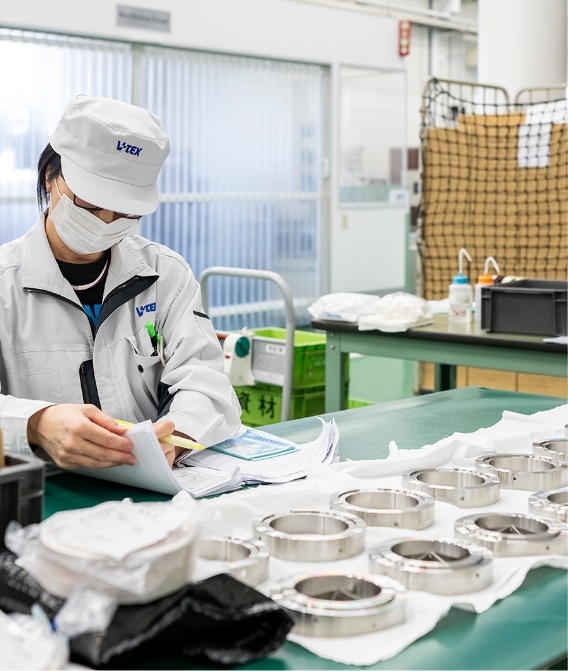
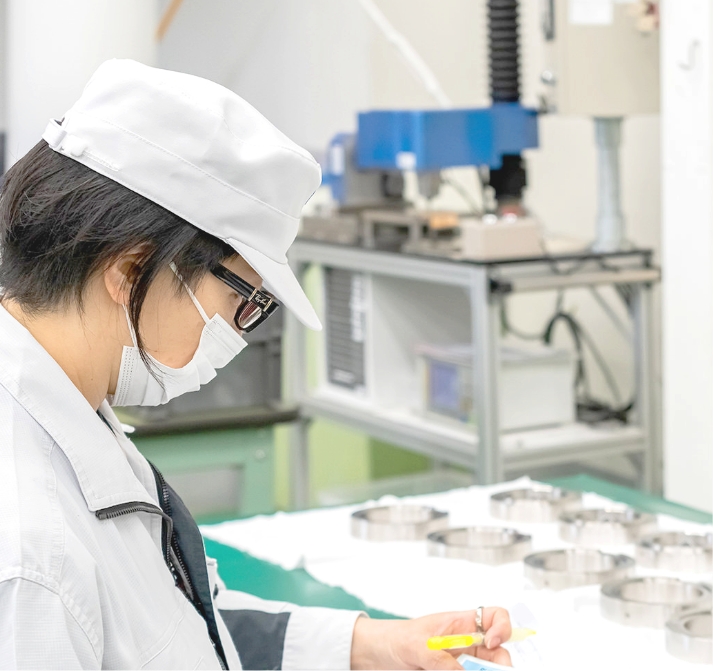
Rupture disks are used to protect vessels, equipment, and piping for petrochemical, nuclear, and other industrial plants from the overpressurization caused by mechanical malfunction, uncontrolled chemical reactions, or internal/external fires.
While other safety devices may face limitations in sealing performance during operation, rupture disks provide reliable performance and effectively prevent the leakage or loss of flammable, toxic, high-value, or radioactive fluids.
For these reasons, rupture disks are widely used as reliable safety devices.
In addition to relieving excess pressure, rupture disks can also function as rapid-opening devices commonly used in pilot plants and experimental systems, activating instantly under preset conditions — such as temperature, pressure, or time.
Spring-loaded safety valves typically close at a specified reseating pressure.
Rupture disks do not reseat and are therefore used frequently either as an alternative to or in combination with spring-loaded safety valves.
Advanced Technology Development & Japanese Manufacturing Excellence
-
Disk
A metal plate designed to rupture at a specified pressure and temperature.
Provides both burst pressure control and sealing performance.
For composite types, the disk material is typically PTFE; burst pressure adjustment is achieved using a slit disk.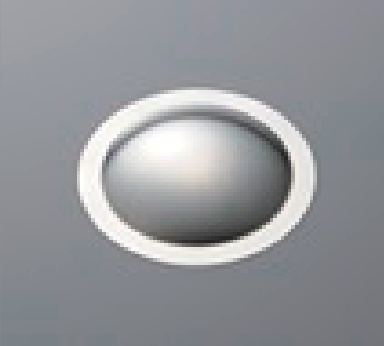
-
Holder
The component that securely retains the disk in position.
Without being properly secured, the stress distribution on the disk may change, leading to deviations in burst pressure.
Therefore, a dedicated holder is required.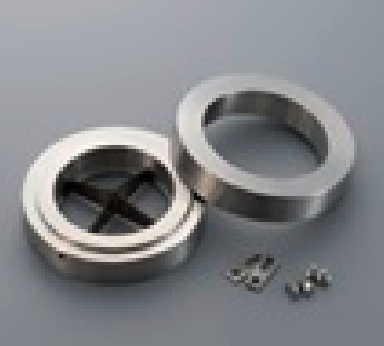
-
Slit Disk
A dome-shaped metal disk with radial slits, designed for use in composite rupture disks.
Burst pressure is adjusted through these slits.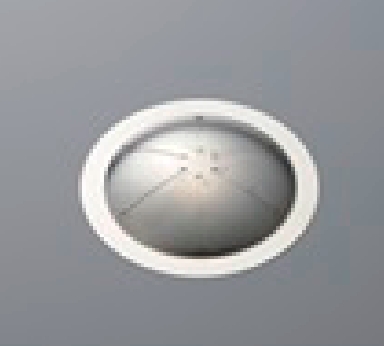
-
Vacuum Support (V-Support)
Used under vacuum or back pressure conditions; installed on the upstream side of the disk to prevent deformation and buckling.
Available in opening type (ruptures together with the disk) and non-opening type (remains intact and no replacement required); typically used for tension-loaded vacuum applications.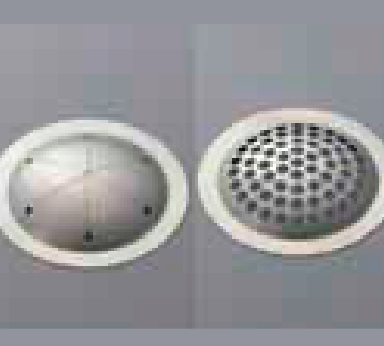
Operating Comparison with Safety Valves
1. Example
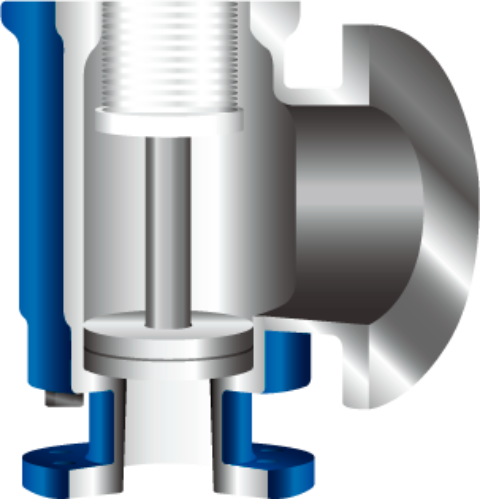
Safety Valve
Opening pressure (example: ≤ 0.40 MPa)
Popping pressure (example: 0.50 MPa)
Reseating pressure (example: 0.40 MPa)
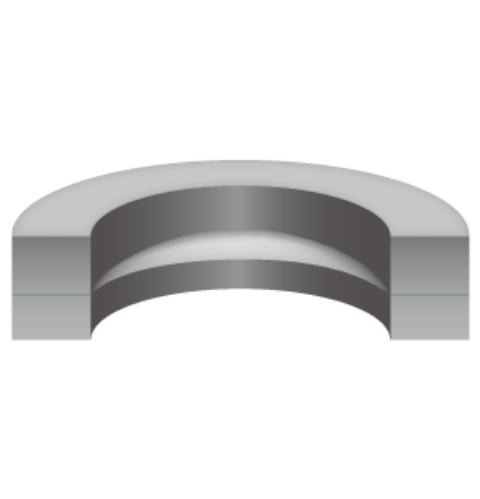
Rupture Disk
Burst pressure (example: 0.50 MPa)
2. During normal operation
Safety Valve
Upstream pressure (example: ≤ 0.40 MPa)
Rupture Disk
Upstream pressure (example: ≤ 0.40 MPa)
3. During pressure increase (at set pressure)
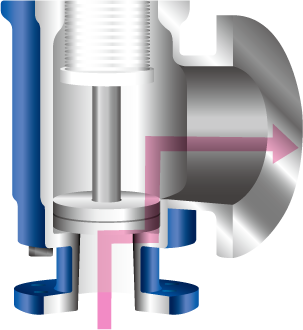
Safety Valve
Upstream pressure (example: ≤ 0.40 MPa)
(= Set pressure)
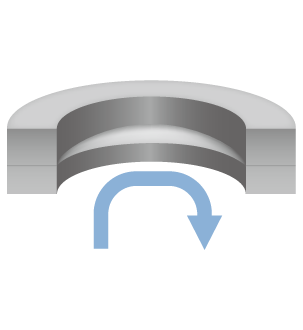
Rupture Disk
Upstream pressure (example: 0.45 MPa)
4. During pressure increase (at popping pressure and above)
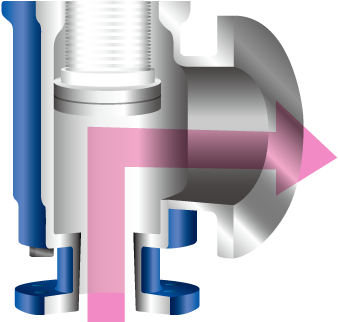
Safety Valve (Full Open)
Upstream pressure (example: ≥ 0.50 MPa)
(Above popping pressure)
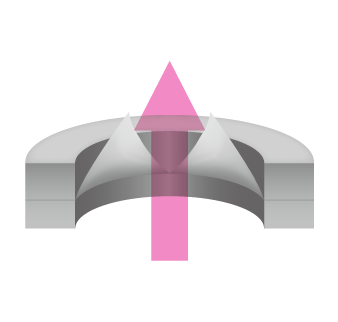
Rupture Disk (Burst)
Upstream pressure (example: ≥ 0.50 MPa)
(Above burst pressure)
5. After operation
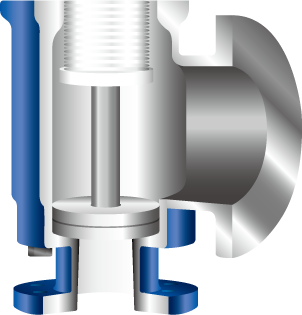
Safety Valve (Open)
Upstream pressure (example: ≥ 0.40 MPa)
(= Closing pressure)
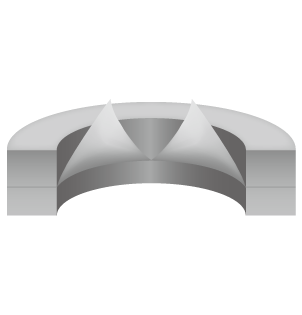
Rupture Disk (Open after rupture)
Upstream pressure (example: ≤ 0.40 MPa)
(Above burst pressure)